Ballota Holm oak (Quercus rotundifolia) from Spain and Portugal
Bur oak (Quercus macrocarpa) from the Midwest of the US
Mexican Blue oak (Quercus oblongifolia) from Arizona and Mexico
Other varieties where some “sweet” acorn-bearing oaks have been found. From California: Valley oak (Q. lobata); from the Southwest US and Mexico: Canyon Live oak (Q. chrysolepis); from Europe: Holm oak (Q. ilex), Cork oak (Q. suber); from Baja, Mexico: Cape oak (Q. brandegeei), Netleaf oak (Q. rugosa); and from Eastern US: White oak (Q. alba)
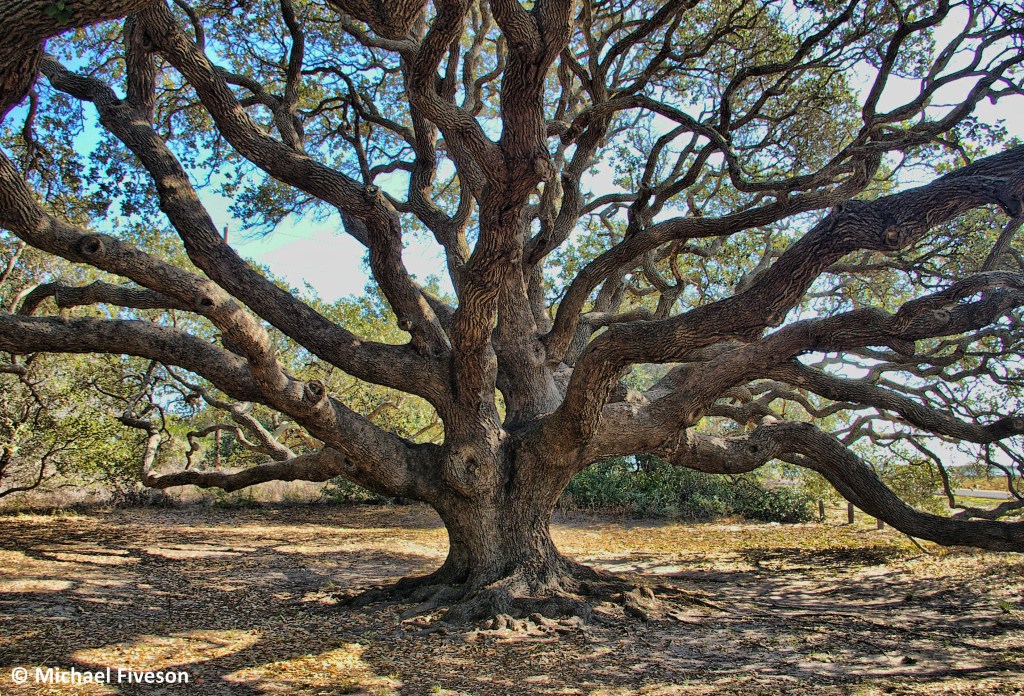
Oaks, THE dominant native tree species, throughout the most agricultural and hospitable regions of California could be retrofitted for both agriculture and restoration, selected for “sweetness”, and processed as indigenous people around the world have done for millennia.
The idea of using acorns as a staple food source is not new, as Native Americans of California and indigenous people around the world have been making acorn food for thousands of years. It seems so obvious when seeing the abundance of acorns, particularly in the valleys of California where Valley oak (Quercus lobata) and Black oak (Quercus kelloggii) thrive. European colonizers, unfortunately, gave little respect to our mighty and natively-adapted dominant species of Oaks which are the most resource-efficient crops in our area. Colonizers instead brought with them a culture of supremacy, believing that their language, arts, and education were superior, along with their imported agricultural crops. Californians today gather minuscule amounts of acorns from the Mighty Oaks around us. I am here now to encourage a reestablished relationship with both indigenous land management and, at least, the Oaks.
Processing
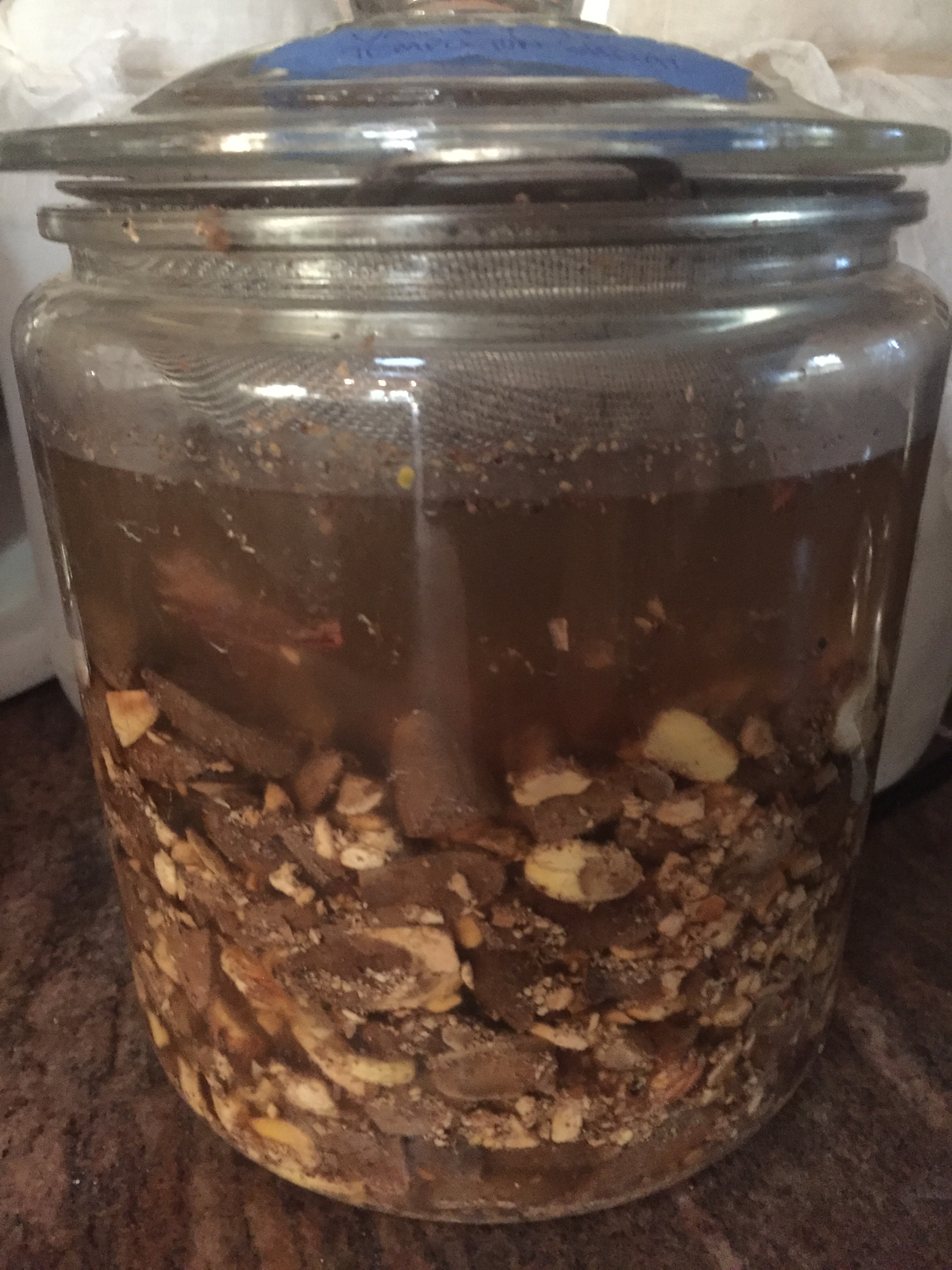
One of the tricky parts about eating acorns is that most are not initially edible – the initial tannin content is too high and needs to be leached in water for several days (see previous post, Eating Acorns, to learn more about processing).
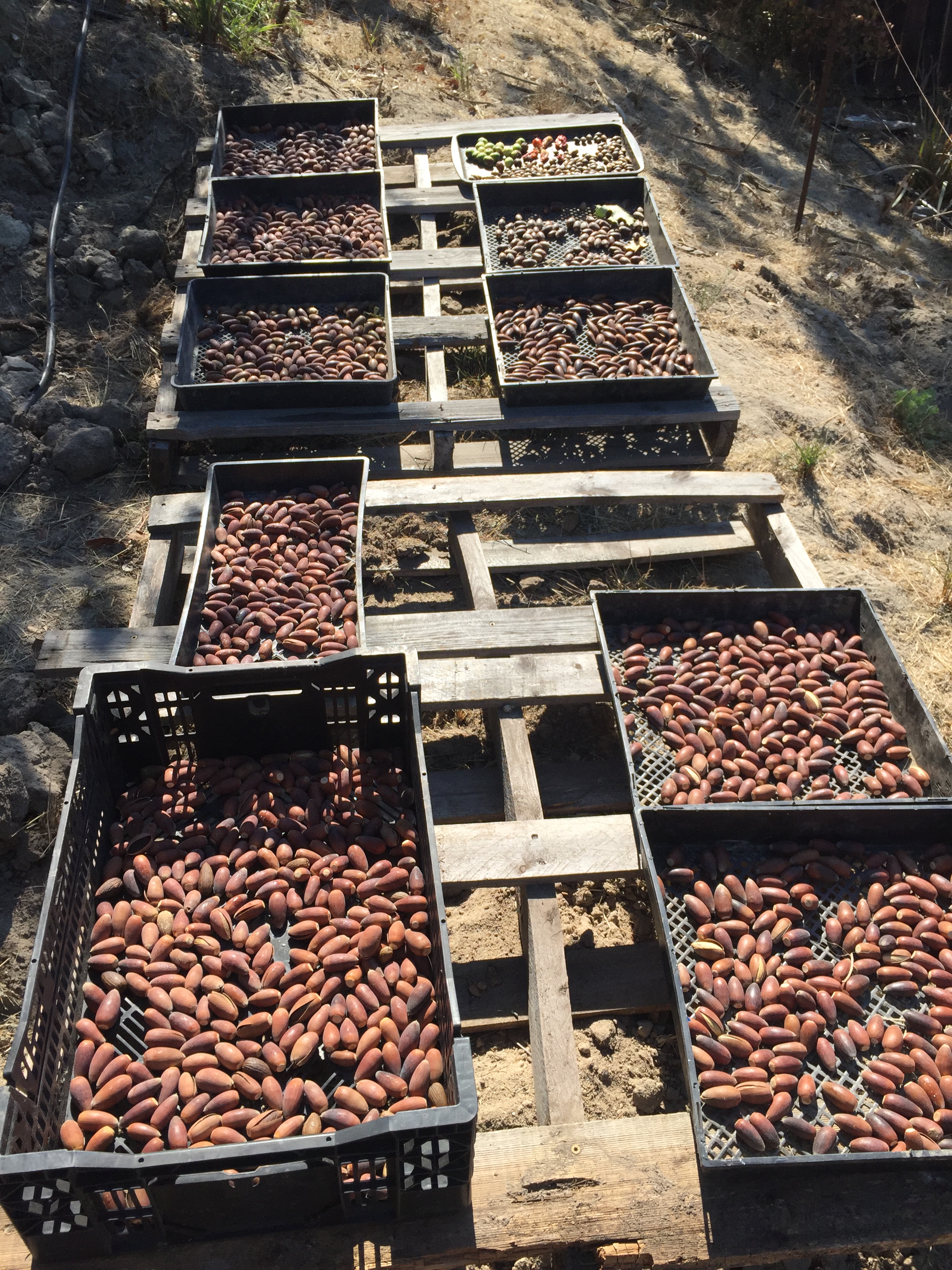

Are they really “sweet“?
You quickly learn that reading about “sweet” acorns is a much different experience than eating “sweet” (notice the quotations) acorns. In this context, “sweet” is relative and means that the acorns have lower tannin contents compared to other acorns. Often White Oaks (or “Robles” in Spanish) of the Quercus Section, like Q. lobata and Q. alba, have lower tannins in general than Red Oaks (or “Encinos” in Spanish) of the Lobatae Section, like Q. agrifolia and Q. virginiana.
The exciting part of discovering “sweet” (low-tannin) acorns is that the oaks then become much more ethnobotanically and agriculturally available to our fast-paced world that has no time for harvesting and leaching, as done traditionally. Acorns in this category do not need to be leached. Often they are edible right after shelling, however many taste best after roasting.
Ballota Holm Oak (Quercus rotundifolia)
The “Ballota” oak, as a heat-loving and valley-dwelling Mediterranean tree crop, comes from the SW of Spain and Portugal. This tree offers great promise to Californian agriculture! I mention this tree first since it is both (1) an excellent climate-analog tree crop for Central and Southern Californian areas and (2) currently used in agroforestry systems called “Dehesas” in Spain and “Montados” in Portugal.
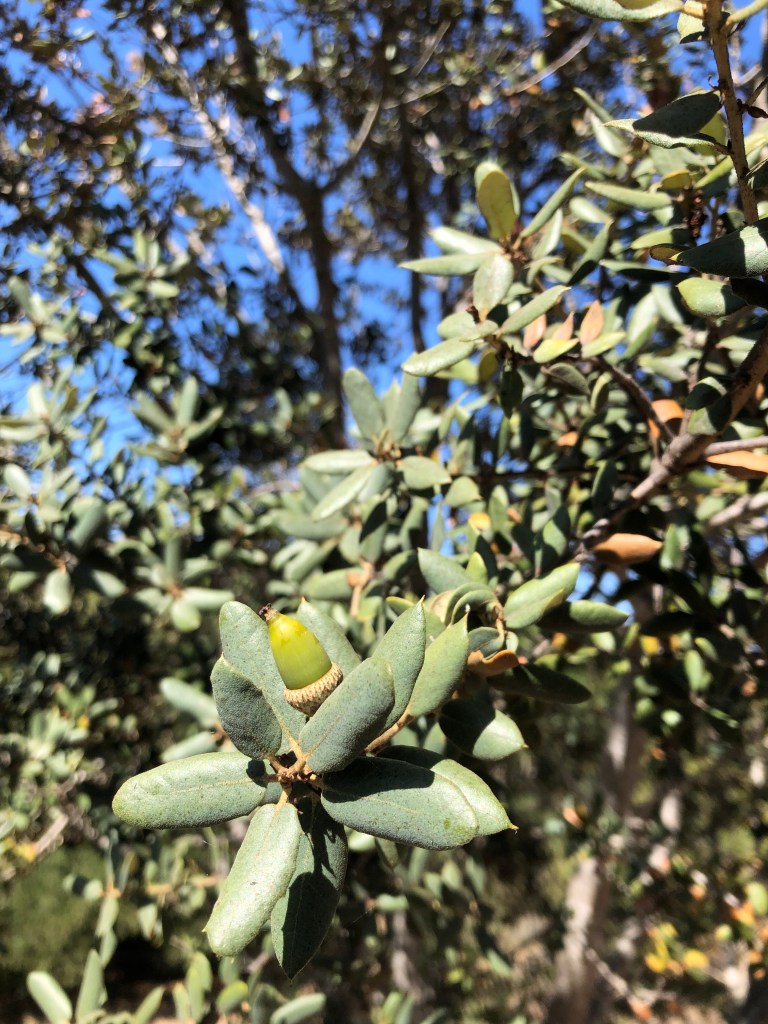
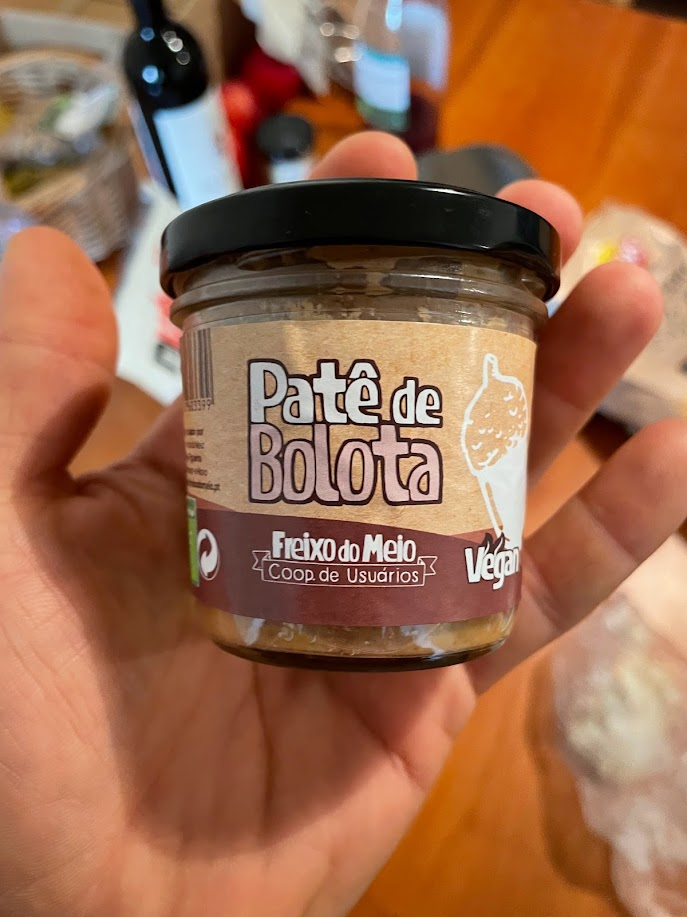
As a truly sustainable food source, the Ballota / Holm oak (Q. rotundifolia) will grow well in areas where Coast Live oak (Q. agrifolia) and Valley oak (Q. lobata) are native. Although all acorns are edible once leached, much time can be saved in processing when using oaks that do not need to be leached like the Ballota oak here! The acorns from this tree often taste best once roasted. However, there are some varieties that are particularly low-tannin and can be eaten with no treatment. Once established, this tree will not need any additional water, live hundreds of years, and happily produce “sweet” acorns as a crop for fresh acorn nuts, gluten-free flour substitute for all baked goods, or acorn meal.
For more resources, see the previous article (Eating Acorns) and contact Balano Trees, from Portugal, for grafted and “sweet” acorn varieties or Oakmeal, from Greece, for acorn food products and the book “Eating Acorns”.

Dehesa Agroforestry
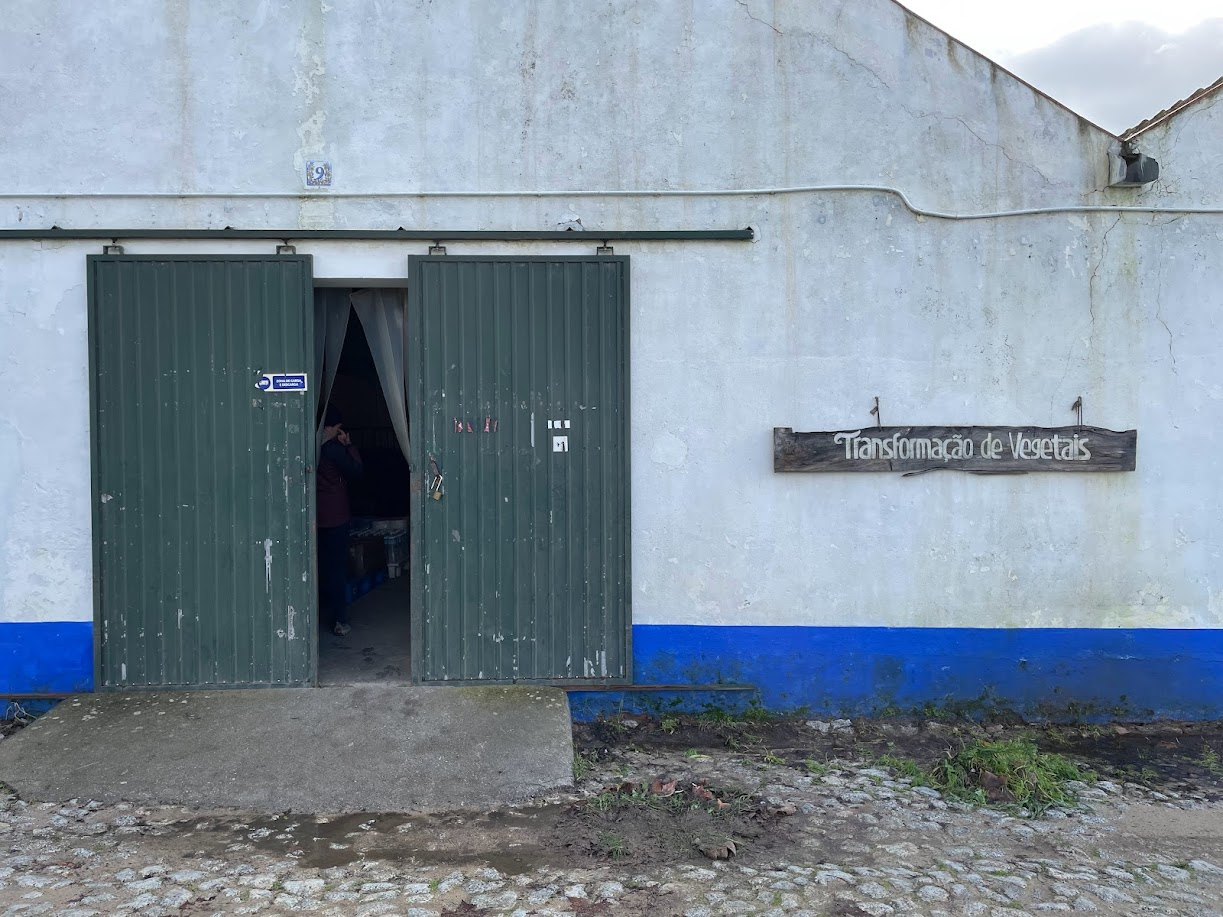
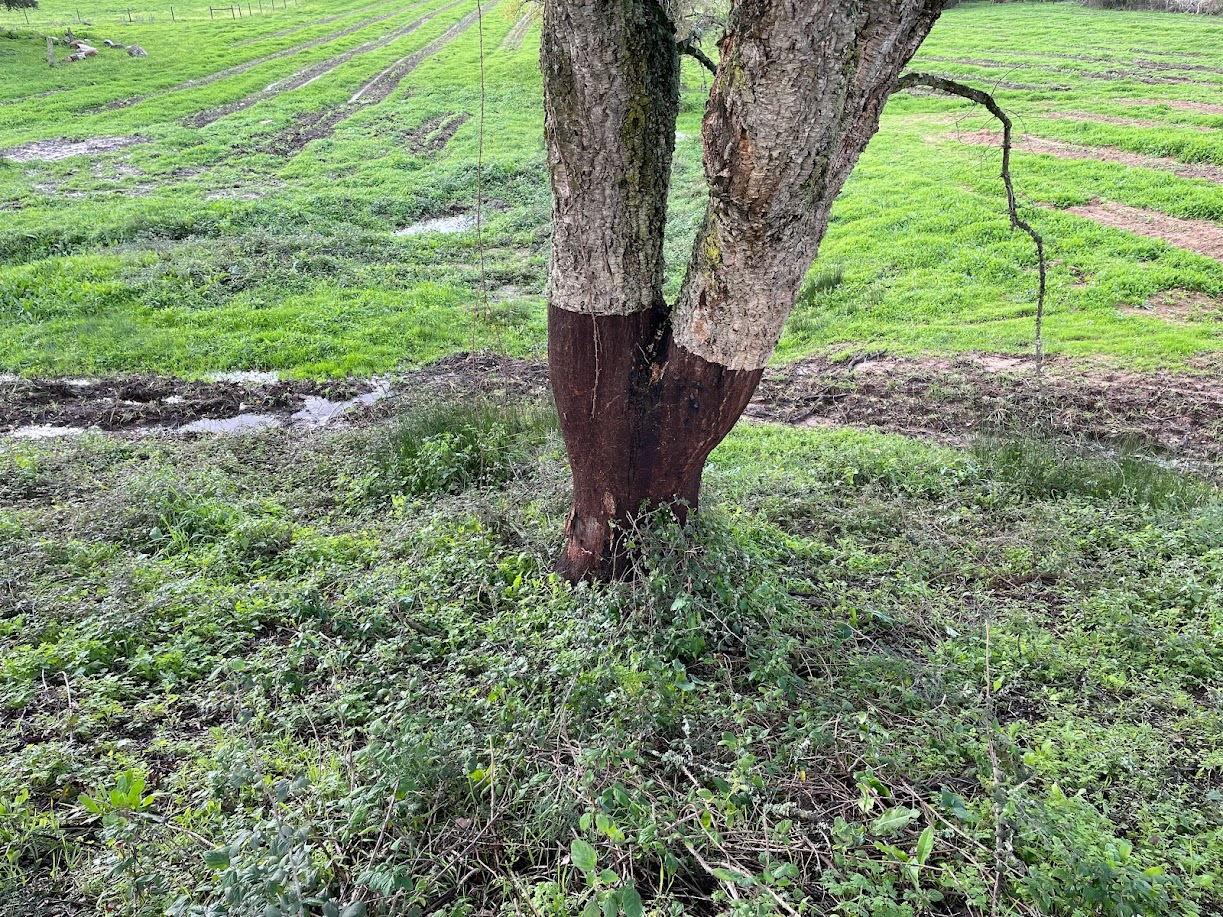
Additionally, regions where Ballota oaks are native also use Dehesa Agroforestry models. Dehesas are silvopastoral systems where Iberian pigs are grazed under these oaks for both shade and nuts, which tend to fall when forage is low at the beginning of fall (September or October). Pigs are the only domestic animals that are able to effectively process and eat acorns – they can separate the shells and split them out before swallowing the nut. The pigs are then harvested and processed for rich and flavorful meat. (I did a taste test when I was in Spain with cured Iberian pig meats, from 0% acorn-fed, acorn-finished, and 50% acorn-fed and acorn-finished meats. The higher the acorn content meats had a much richer flavor and tender consistency.)
Although Cork oak (Q. suber) and Holm oak (Q. ilex) are the most common in Dehesas, Ballota oaks are also used. And in addition to pork production and occasional acorn harvesting by a select few, cork and wood are also harvested in these environments (Crawford, n.d.; Ferraz-de-Oliveira et al., 2016; Huntsinger et al., 2013a; Joffre et al., 1999; Vargas et al., 2013).
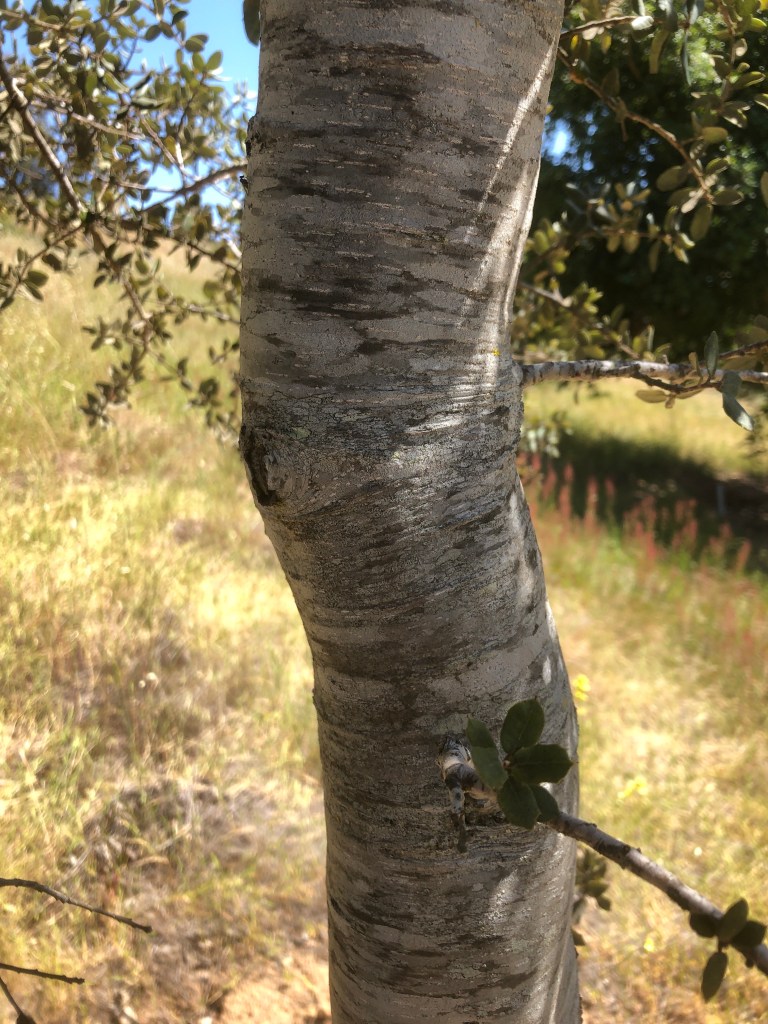
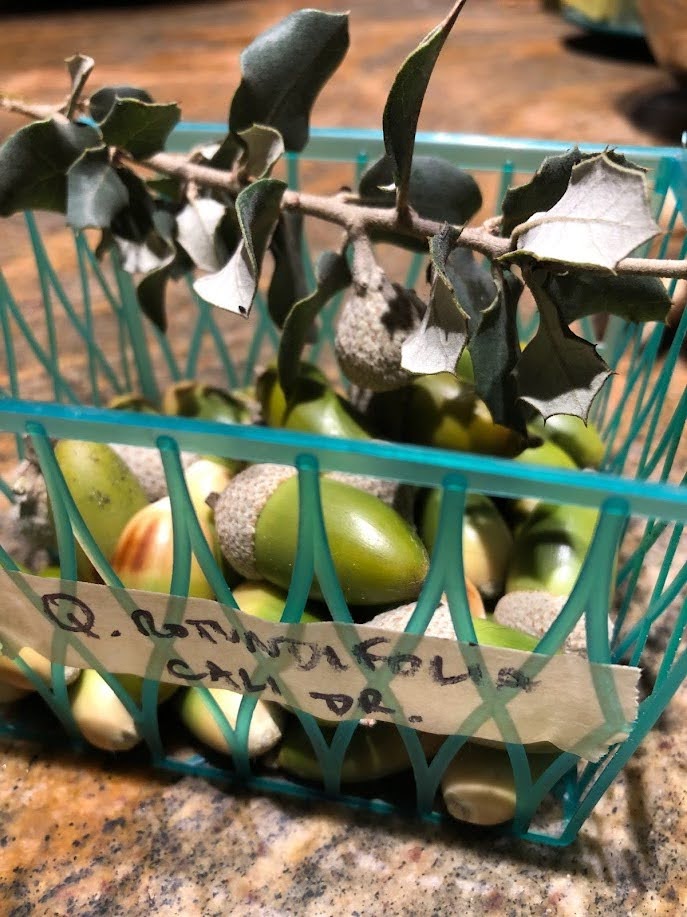
Plant ID
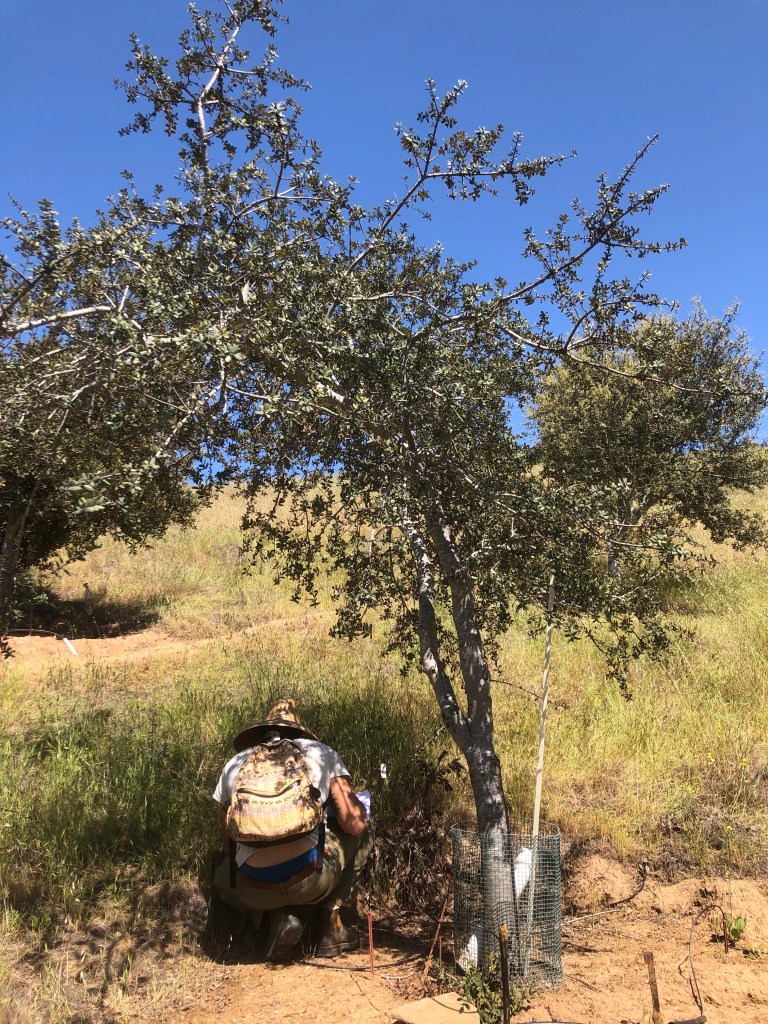
In the Section Ilex (Intermediate Oaks), the tree generally grows 8–12 m (26–39 ft) in height. As the specific epithet (“rotundifolia”) suggests, the leaves (“-folia”) are round (“rotundi-“) and have smooth to spiky margins, 1.5-4 cm (0.5 – 1.5 in) long. The acorns are just under an inch (2.5 cm) typically. The inflorescence are catkins, like all oak trees.
Bur oak (Quercus macrocarpa)
The Bur oak (Q. macrocarpa) is another non-native to California. It is, however, native to the US in the midwest from South Texan valleys to Canada. As with any acorn associated with indigenous regions, the Bur oak was prized by native peoples of the Mid West. The tree is also used commonly around California for landscaping. However, many are unaware that the tree produces enormous, low-tannin acorns. Some varieties have been found so “sweet” (low-tannin) that they can be eaten directly after shelling – check out the shop from Burnt Ridge Nursery and seed from Oikos Tree Crops as well!
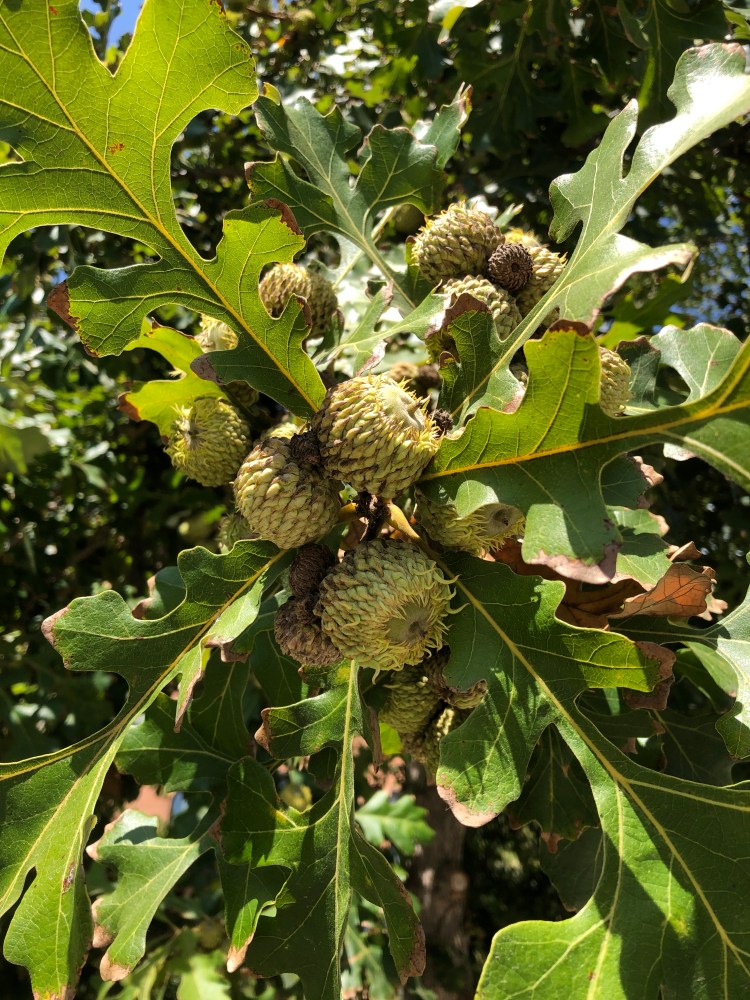
Q. macrocarpa on Cal Poly San Luis Obispo campus 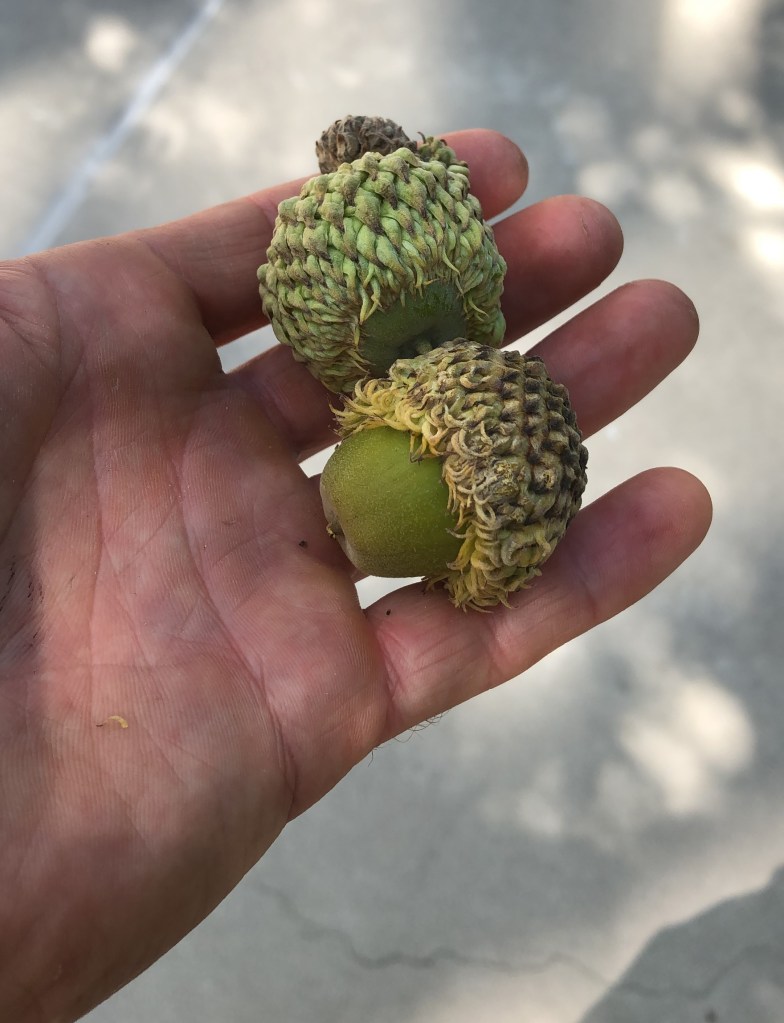
Plant ID
In the Section Quercus (White Oaks), the tree grows up to 30 meters (100 feet), rarely 50 m (160 ft), in height. In addition to being low-tannin, the acorns are quite large (2.5–5 cm (1–2 in) long and 2–4 cm (3⁄4–11⁄2 in) wide), hence the “macro” in Q. macrocarpa, with equally impressive caps that cover most of the nut. The leaves are lobed and deciduous, 7–15 cm (23⁄4–6 in) long and 5–13 cm (2–5 in) wide. The inflorescence are catkins.
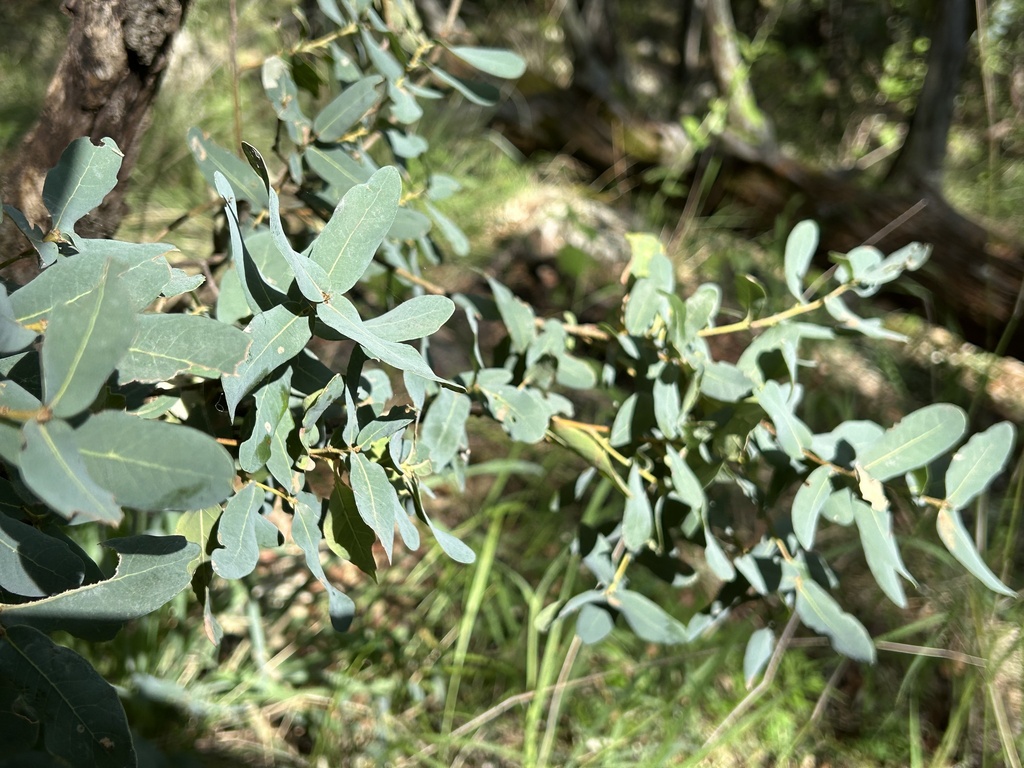
Mexican Blue oak (Quercus oblongifolia)
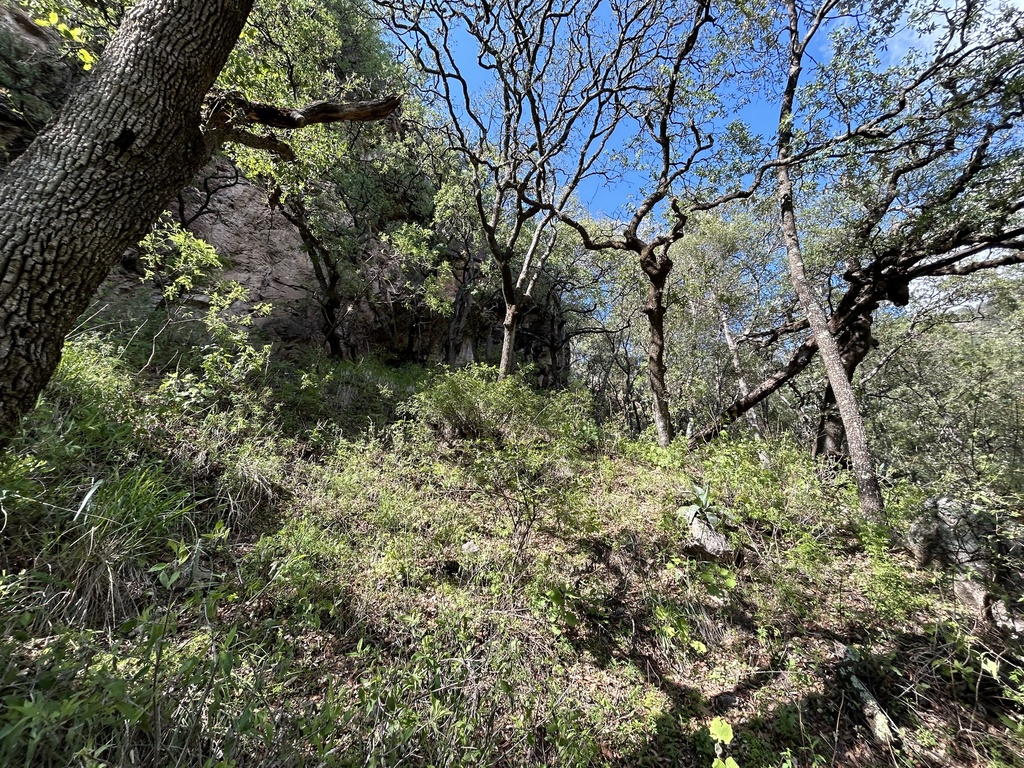
From Baja and Northern Mexico into Arizona, Mexican Blue oak “Bellota” (Quercus oblongifolia) is found in association with Arizona white oak (Quercus arizonica) and Emory oak (Quercus emoryi) and it is an important constituent of pinyon–juniper communities – loads of great wild gathering in these semi-arid regions.
These are known to be the sweetest acorns of Baja, which also includes three other “sweet” acorn oaks: Netleaf oak “Encino Blanco” (Q. rugosa), Cape oak “Encino Negro” (Q. brandegeei), and the SW US and Mexican native, Canyon Live oak “Encino Roble” (Q. chrysolepis). All four of these acorns are important to indigenous cultures, still used in parts of Mexico, and sold in mercados.
Plant ID
In the Section Quercus (White Oaks), the tree grows up to 5–8 meters (16–27 ft) in height. In Spanish, these oaks are called simply Ballota Encino, referring to it being an important decidious oak. The acorns are smaller than the others listed above, at around 2 cm (3⁄4 in) long. The leaves are entire, deciduous, and grey-green to blue-green in color. The inflorescence are catkins.
Emory oak (Quercus emoryi)
The Emory oak (Quercus emoryi) is hugely important to the Western Apache nation (Arizona, US) for use in ceremonies and acorn meal. In areas so arid, it is a miracle that a crop this abundant can thrive. This again proves more testament of the power of the Mighty Oaks, providing even in dry hills bordering deserts of Arizona and Mexico.
The Emory Oak Collaborative Tribal Restoration Initiative is restoring and protecting Emory oak stands to ensure the long-term persistence, after threats of habitat loss, fire suppression, livestock grazing, groundwater reductions, species competition, and attempts at copper mining in the Tonto National Forest (in 2020).

Plant ID
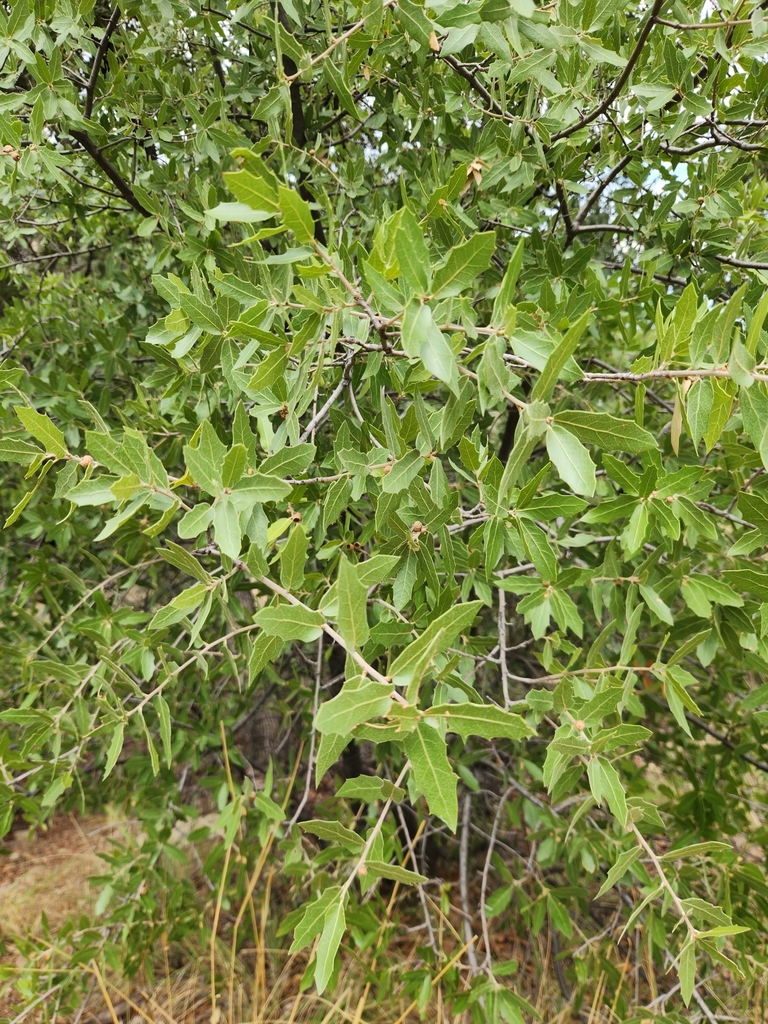
In the Section Lobatae (Red Oaks), the large shrub or small tree grows from 5 to 17 meters (16–56 feet) in height. In addition to being low-tannin, these “sweet” acorns are also small, 1.5–2 cm (5⁄8–3⁄4 in) long. The leaves are dark green, entire, wavy-toothed, and evergreen, ranging 3–6 centimeters (1–21⁄2 inches) long. The inflorescence are catkins.
The Oak Orchard Quest
The idea of oak orchards is again not a new idea. Forest gardens originate from indigenous management of selective care to maintain the health and propagate trees and shrubs that were of greater value (see Traditional Ecological Knowledge resources like the book Tending the Wild, or video short below) like oaks, elderberry, sages, etc. Imagining oak orchards is more of a remembrance of a sustainable past.
After researching about groundwater being depleted in areas like the once-fertile Central Valley and growing carrots in the desert by companies like Grimway Farms in the Cuyama Valley, the oaks again seem to be our forgotten heroes. Those areas were home to vast oak savannas and can still be. Since so much of our arable lands are now private farms and ranches, I view this as another reason to promote the agricultural restoration with “sweet” acorn oaks.
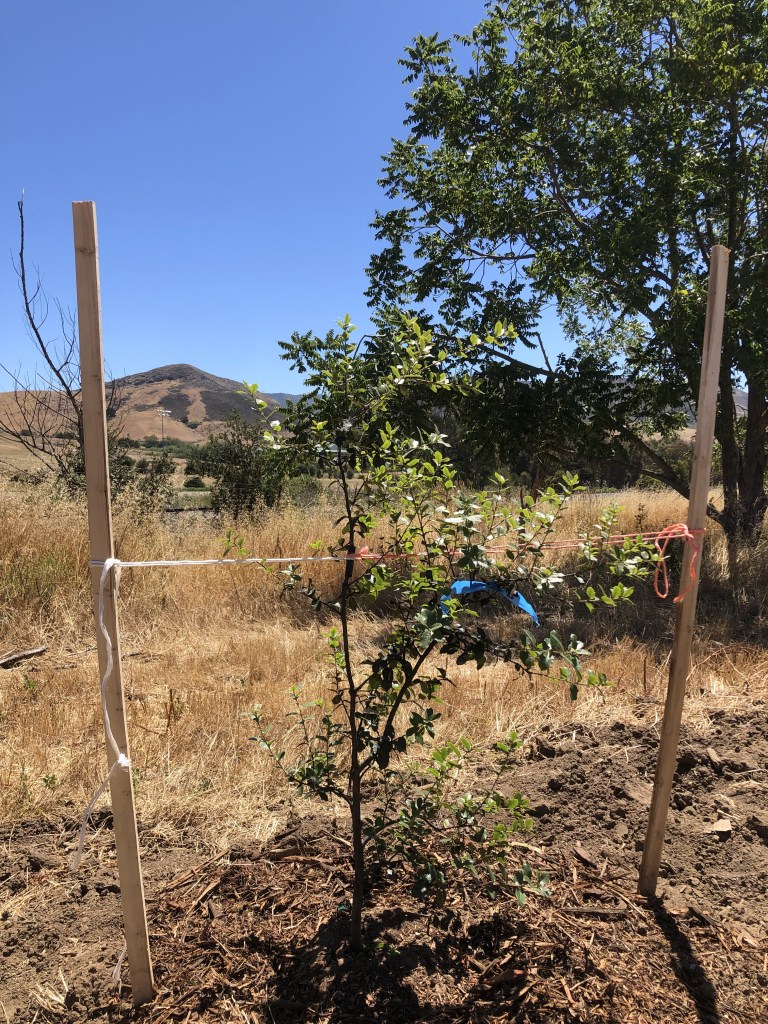
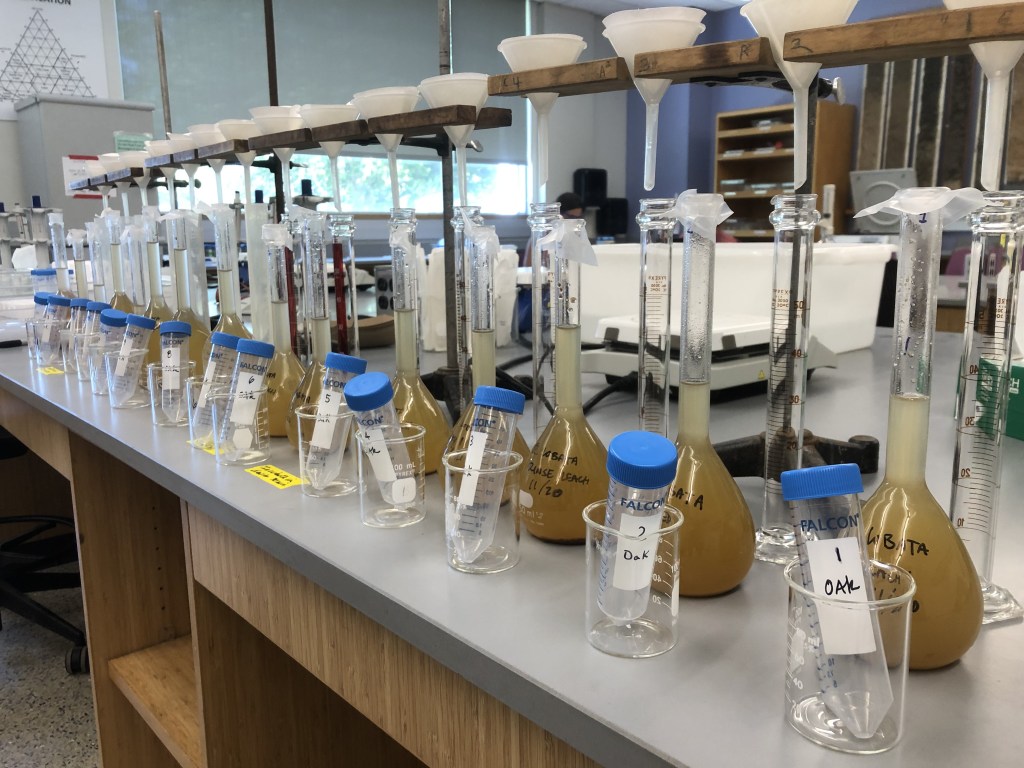
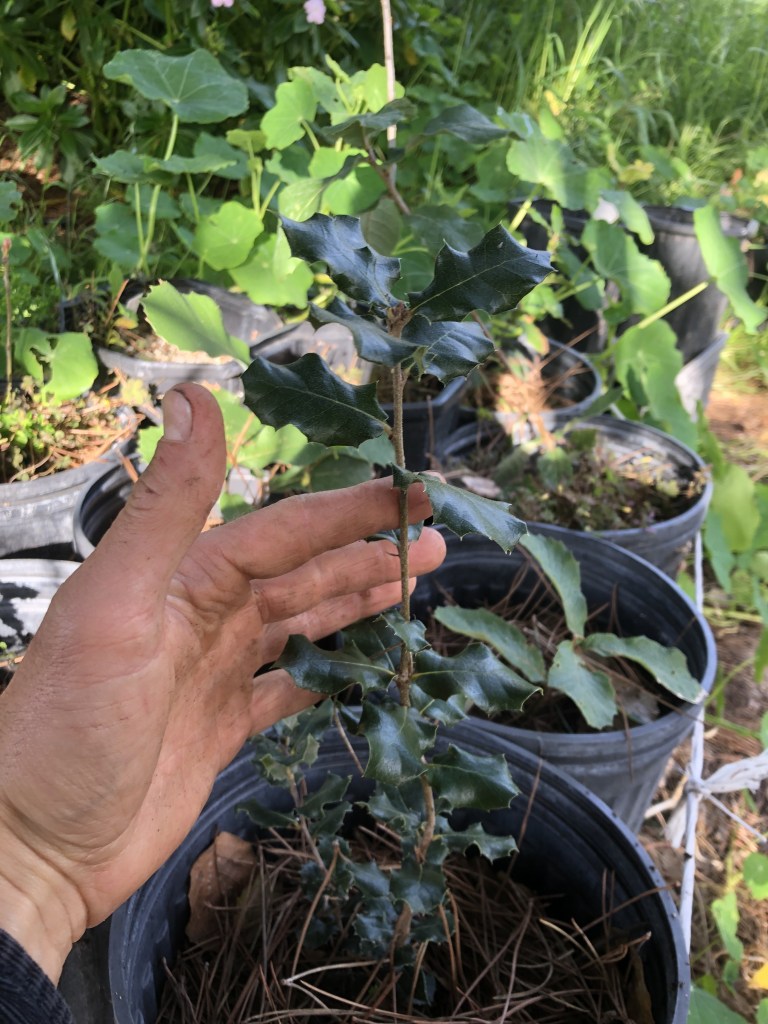
At the farm that I live on, I make acorn flour and baked goods every year from Q. lobata and I am beginning to grow out several low-tannin oak varieties: Q. rotundifolia, Q. rugosa, Q. lobata, Q. ilex, and more coming. Please contact me if you are interested in (1) partnering or (2) purchasing from the Nursery or Food Lab Shop. Here are a few photos of special moments planting in the two farms that I managed in 2021 – 2023:
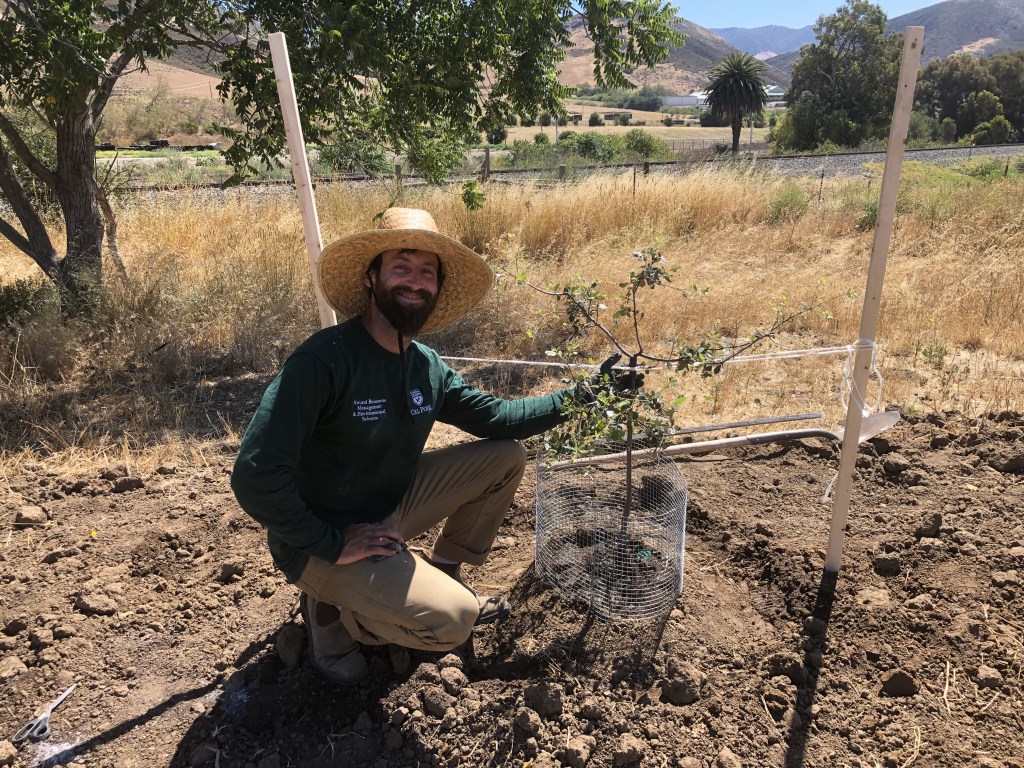

Special thanks to Jan von Engel for pioneering the Q. rotundifolia, chestnut, and many other oaks on the Central Coast. Thanks to Olympe Rabate, Matt Ritter, Jesse Trace (from Traceland Organics), and many motivated friends as well for all the help on these projects.
 The Ecologist Cowboy