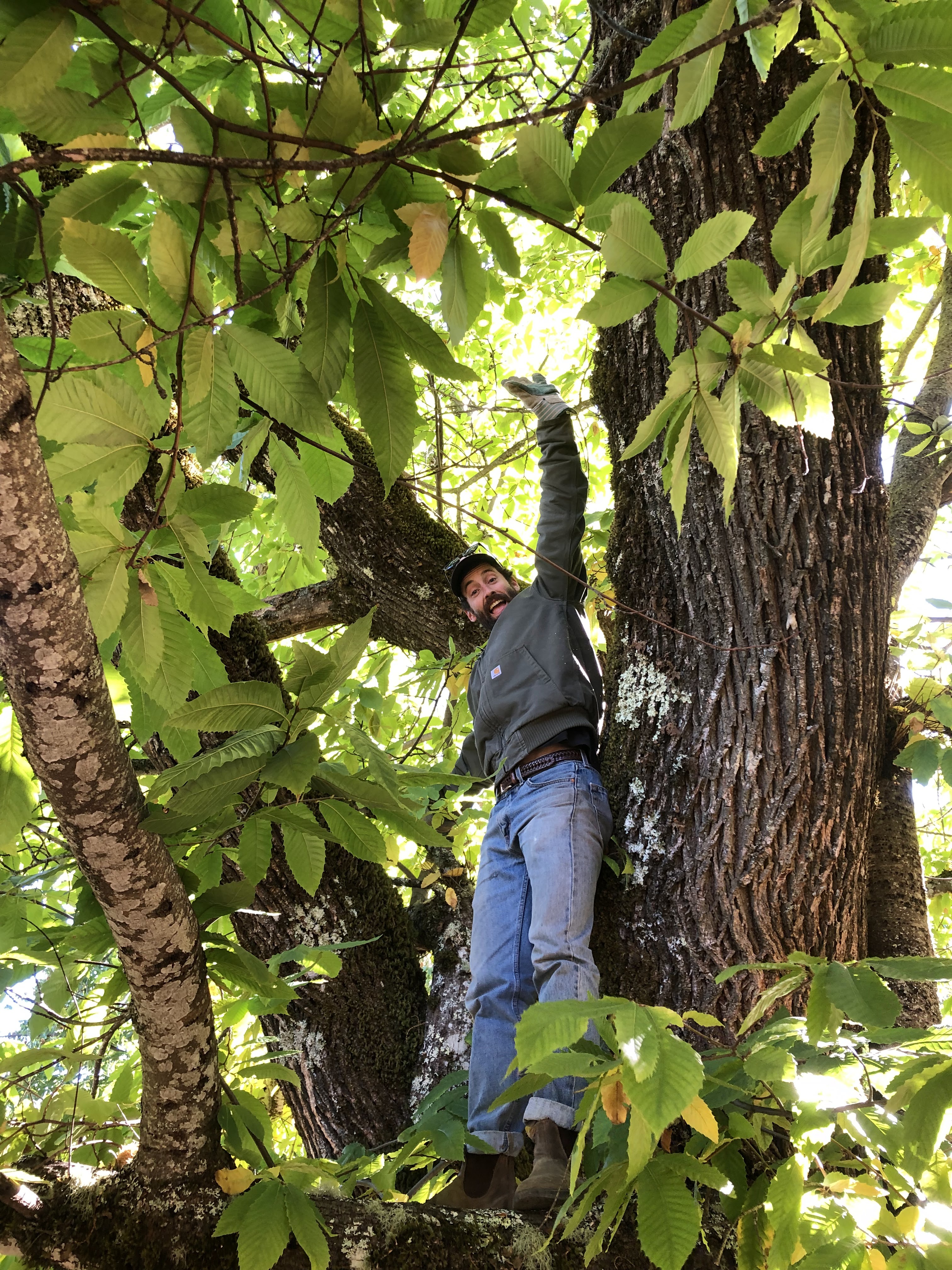
And mimicking that climate, I am just reminiscing about being in an enormous CHESTNUT TREE (!) last November in Skyline Chestnuts. IN CENTRAL CALIFORNIA.
History
Although the American chestnut (Castanea dentata) is listed as critically endangered (CR) after a near extinction from the blight in the early 1900s, many countries around the world cherish chestnuts for their massive size and proportional productivity as a spiky holiday treat. In the US, the American chestnut is being slowly reincorporated into the Midwest and East Coast with hybridized genetics and reaching closer and closer to 100% American chestnut genes. In the western states, we have had very little blight issues. Although chestnut culture is not popular in the western US, we can grow all chestnut species. In fact, the European chestnut (Castanea sativa) is the most acclimated to the Mediterranean climate of the coastal influence on western US slopes.
Plant Community and Climate
As a Mediterranean foothill species that thrives in mixed evergreen forests among both conifers and oaks, many species (particularly, the European chestnut) can adapt to foothills of the North Coast Ranges, the Sierra Nevada foothills, the Klamath mountains, and even… in the Santa Cruz mountains of Central Coast Ranges of California.
Californian Chestnuts
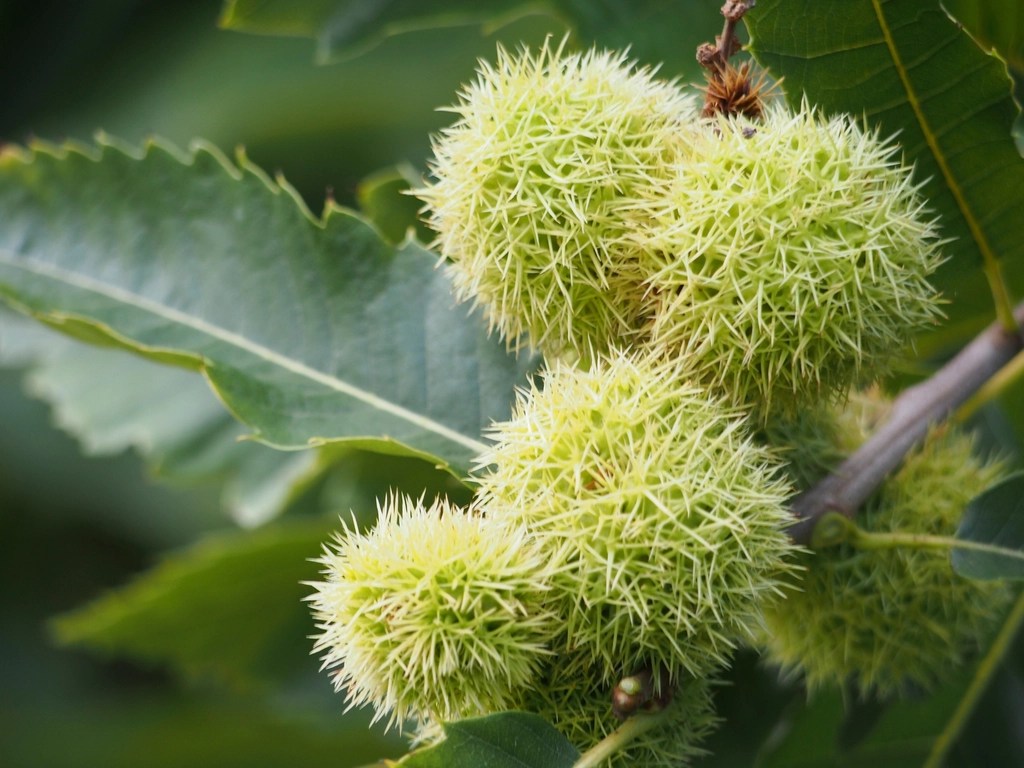
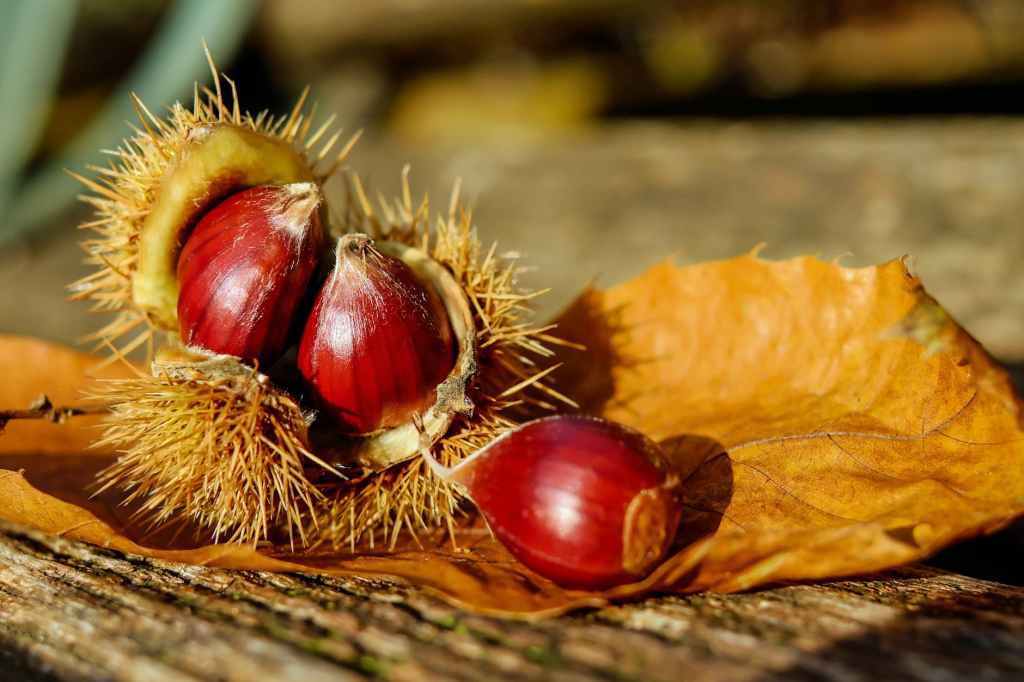
Photo by Pixabay on Pexels.com 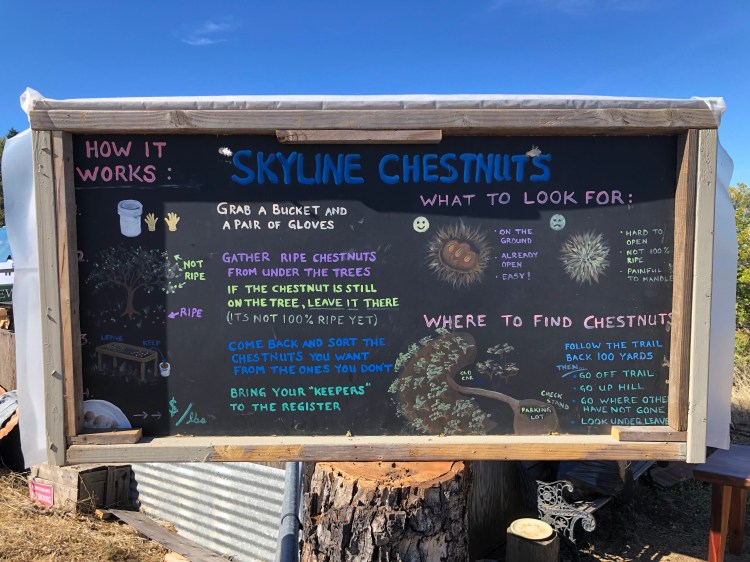
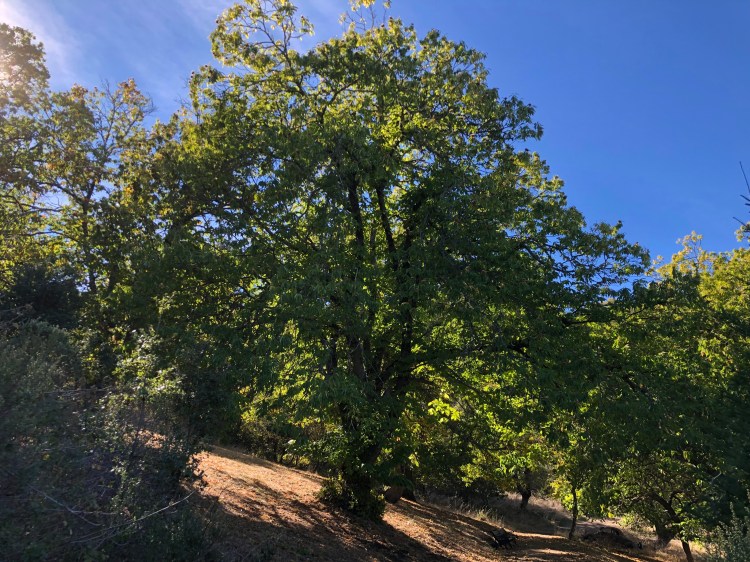
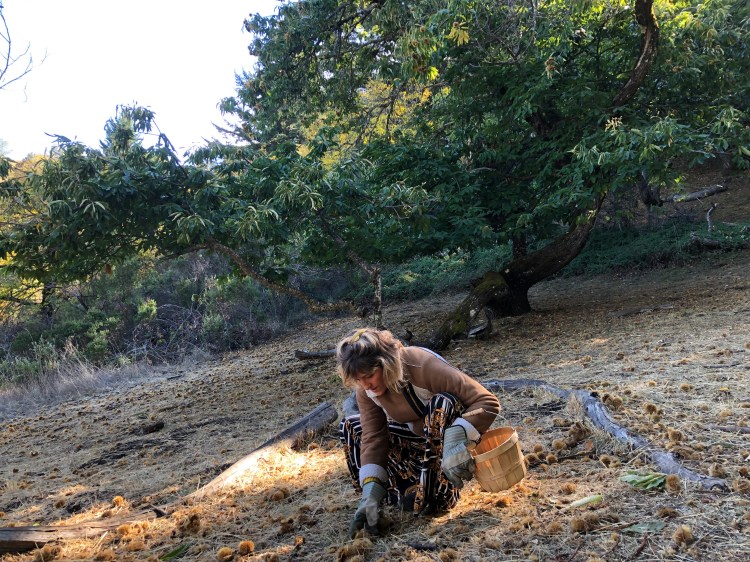
The latter is where we discovered the awe inspiring Skyline Chestnut Orchard @skylinechestnuts !! Some amazing folks have supported this forest-integrated orchard for over 100 years. This 20-acre orchard feeds up to 1000 people per week during the harvest season (October – November 20th). These trees are a true test to their compatibility in our climate, needing zero irrigation (contrast that with the intensive conventional fruit and nut orchards in the Central Valley that slowly drain the largest aquifer in California).
This is why I care my friends! ✊🏻
Make sure to support people like this who genuinely care and actively work ecologically, while facilitating solutions to eat in a future without irrigation in California.
European Agroforestry and Chestnut Culture
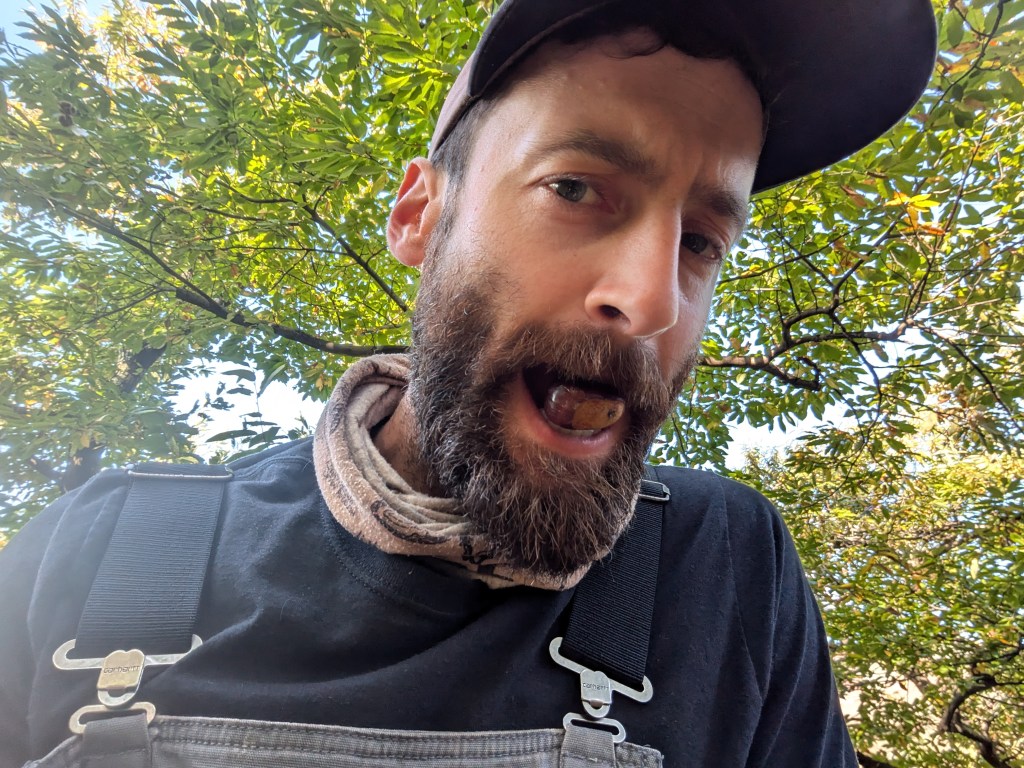
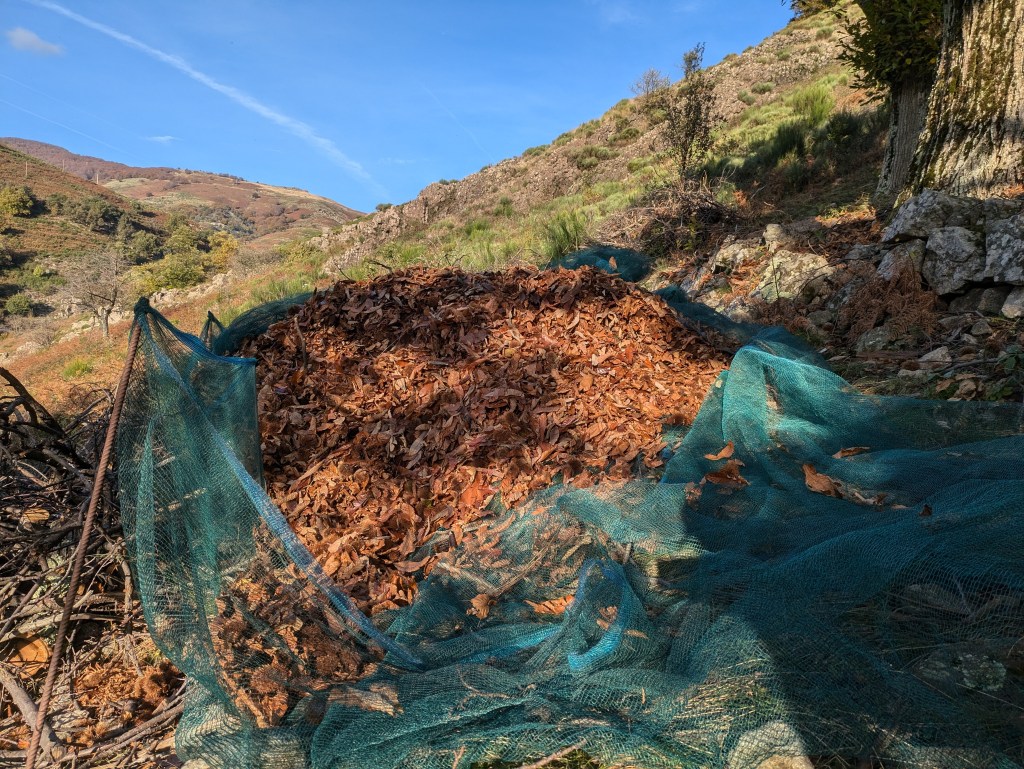
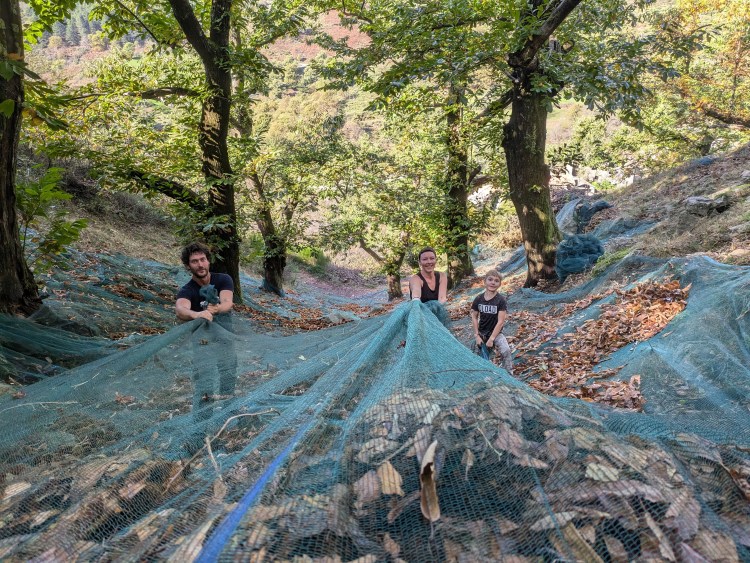

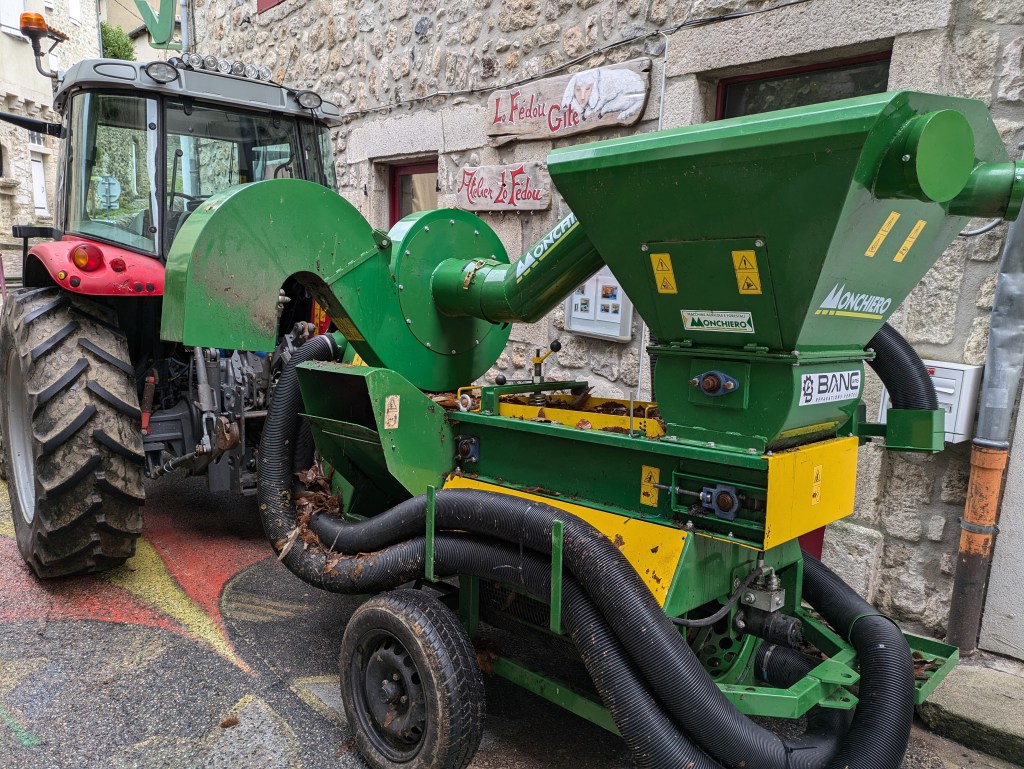
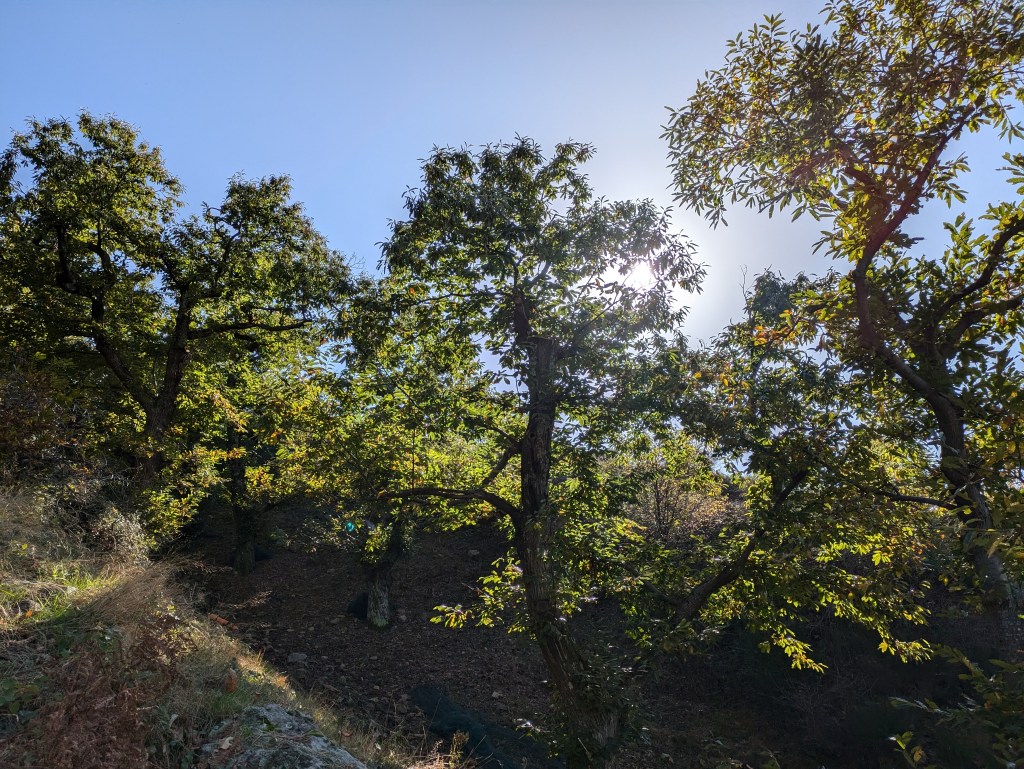


California has the chance to replicate a strong and climate-appropriate agritourism industry in our foothills. After visiting Ardèche, as the leading region of chestnut production in France, I can attest to the magnificence of enormous, naturalized chestnut forests and the culture that still tends it after hundreds of years of cultivation.
Watch the video (above) to see an incredible and climate-analogous example of agroforestry and agroecology in Ardèche, France.
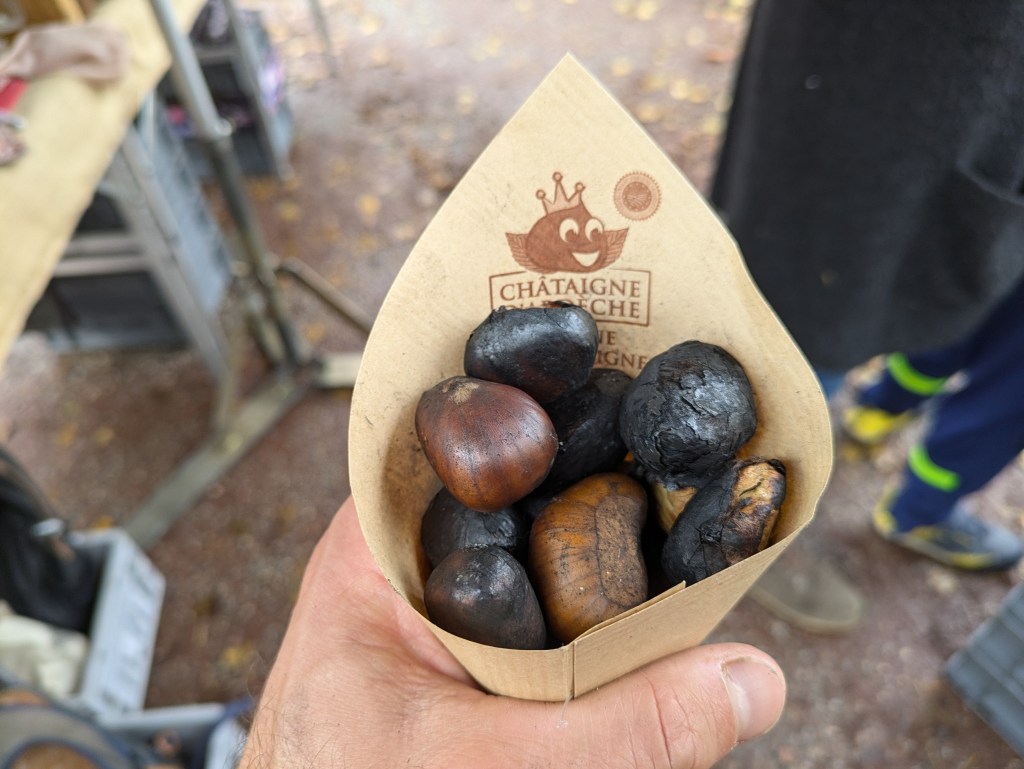
In the mixed coniferous forests in the Foothills of Ardèche, there are 100 and 200-year-old grafted chestnuts towering overhead. Food (in the form of spiky balls) cover the ground below in October and November. You can simply roll over the spiky ball with your shoe to release the nut or use equipment to vacuum or collect the nuts. After slicing through the thin inner shell, the chestnuts are often roasted or steamed and enjoyed by themselves as a sweet carbohydrate nut.
To further celebrate chestnut culture, Castagnade chestnut harvest festivals are each weekend in different villages throughout Ardèche! These festivals are a great way to taste different dishes and meet the farmers who manage the forested orchards. Warm fires on the gray fall days to enjoy fresh roasted chestnuts, delicious jars from the vendors selling créme de châtaignes (chestnut butter), and even crêpes with chestnut butter 🥲
Let’s build this culture and find our screaming, fainting fans to build momentum against mainstream industrial monocultures!
To the chestnuts and true food forests!
To agroforestry and agroecology!
#chestnuts #agroforestry #drought #sustainability #agroecologia #agroecology #ecologie #chataigne #sechresse #permaculture #regenerativeagriculture #orchard #forest #forestgarden #agriculture #farming
 The Ecologist Cowboy